

Saving Africa’s Elusive Manatee in Its “Capital City”
Shuimo Trust Dohyee
February 12
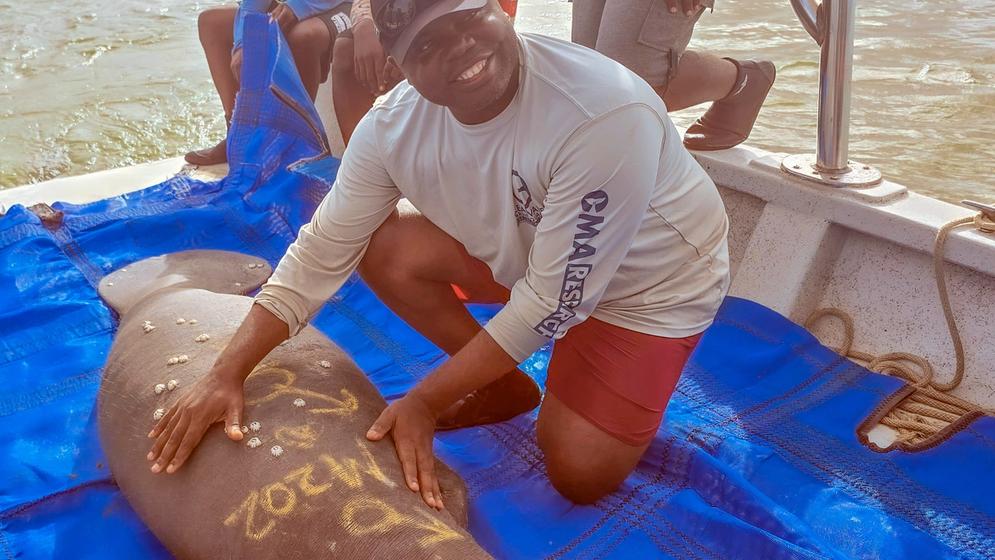
In the murky waters of Cameroon’s Lake Ossa, a biological marvel persists, the African manatee. Long shrouded in mystery and categorised as one of the most "poorly known marine mammal species in the world," this elusive creature is the focus of a revolutionary conservation movement led by Dr. Aristide Takoukam Kamla and the organisation he helped found over 10 years ago, African Marine Conservation Organisation (AMCO). Their work, highlighted in the Wildlife Conservation Network’s “Closer Look” webinar series, serves as a beacon of hope. Not only that, but it also demonstrates that the survival of wildlife is inextricably linked to the prosperity of the people who live alongside them.
The Human-Wildlife Connection
Many years ago, the relationship between the local fishing communities and the manatee in Lake Ossa was one of conflict. Poaching was common, driven by a need for meat and a sense of retaliation. “Fishermen often viewed manatees as pests that destroyed expensive fishing nets and 'stole fish”, said Dr Aristide. However, he quickly realised that simply asking people to stop hunting was not a sustainable solution.
"You can't work with one without the other," Dr Aristide asserts. "If you want to protect manatees, you need to work with the local community; and if you want to improve the local community’s livelihood, you need also to save the manatee.
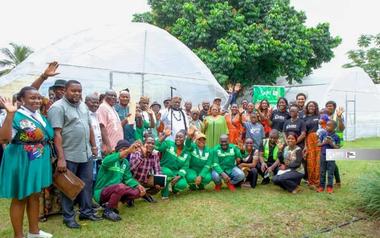
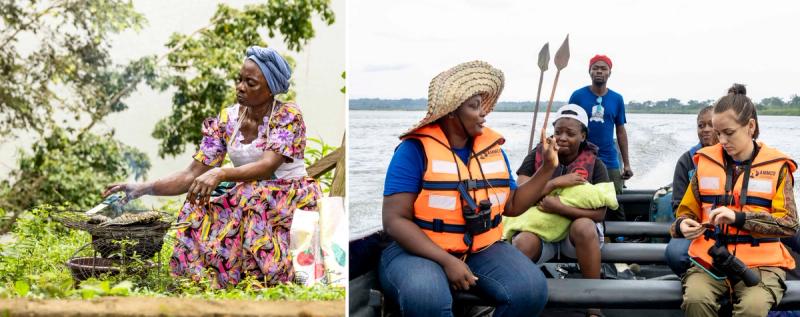
This philosophy transformed former poachers into protectors. AMCO introduced eco-tourism initiatives, training fishermen to serve as specialised guides. Today, these men earn a dignified living not by hunting, but by "showing the tourists where the manatees are and making a living from that." The program also empowers the women of Lake Ossa through sustainable fish farming and culinary ventures, creating a local economy that thrives on the presence of a healthy ecosystem.
Triumphs Over Threats
The resilience of Lake Ossa was put to the ultimate test in 2017 when the invasive Salvinia molesta weed began to choke the lake. The plant doubled in biomass every week, eventually covering 50% of the surface and making fishing impossible. Families struggled as their primary source of income vanished.
In a feat of scientific ingenuity and community grit, AMCO introduced biological controls, the Salvinia weevil. Today, the weed is eradicated, and the lake has been restored. "The fish production of the lake has almost recovered... and our friends the manatees are also back," says Dr Aristide, noting that sightings have jumped from nearly zero during the invasion to seeing at least 11 manatees in a single afternoon.
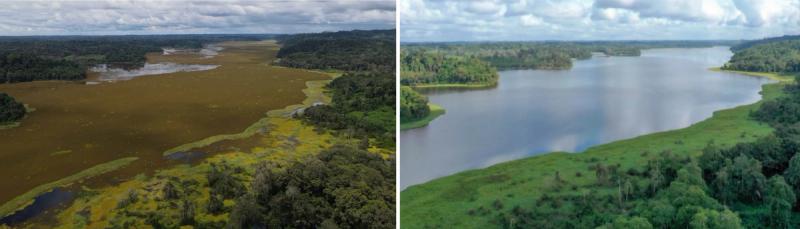
New Challenges: Deforestation and Sedimentation
While the Salvinia has been conquered, a new, more permanent threat is emerging: deforestation. As the near-by economic capital city of Cameroon, Douala is expanding rapidly, and forests surrounding the lake are being cleared for land development. This exposure leads to erosion and sedimentation, threatening to make the lake too shallow for manatees to survive.
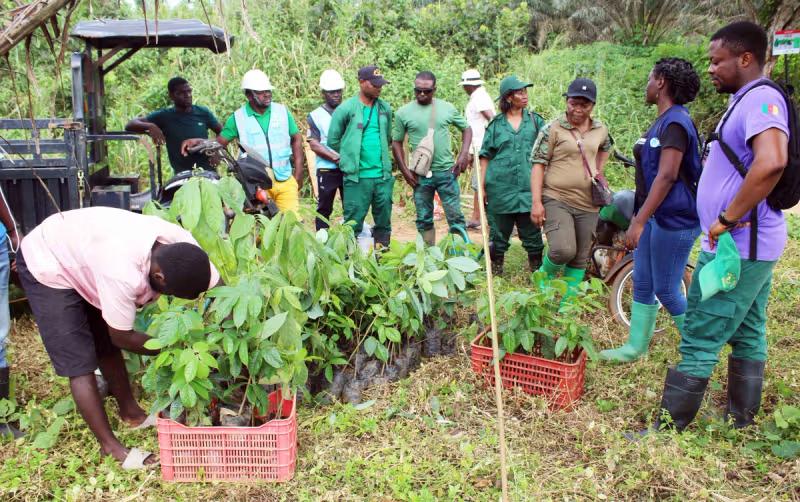
To protect this habitat—described by Dr Aristide as the “global capital of the African manatee”—AMCO is advocating for Lake Ossa to be upgraded to a formal Manatee Sanctuary. Beyond legal designation, this effort includes expanding the protected area to incorporate a buffer zone that secures the surrounding forests, clearly demarcating the sanctuary’s boundaries, and developing and implementing a comprehensive management plan. A dedicated surveillance system would also be put in place to deter illegal activities and prevent forest loss from advancing to the lake’s edge.
The Vision for 2026: Africa’s First Rehab Centre
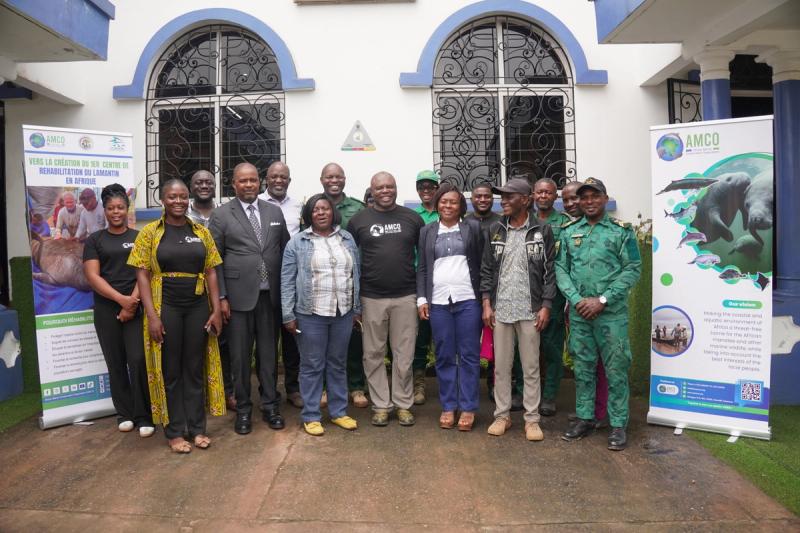
The next chapter of manatee conservation involves a bold humanitarian and scientific endeavour: develop the construction plan of the first manatee rehabilitation centre in Cameroon and Africa as a whole. This facility, according to Dr Aristide, will act as a hospital for orphaned calves and injured manatees, providing a space for healing before they are released back into the wild.
"We are dreaming to see this happen... our biggest challenge is to secure the land and start raising funding to make it happen in the upcoming years," Dr Aristide explains. This center Aristide asserts, will not only save individual lives but also serve as an educational hub to inspire the next generation of Cameroonian conservationists.
A Call for Global Support
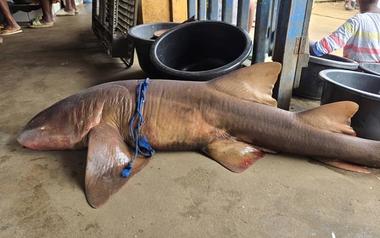
As Dr Aristide explains, Lake Ossa’s conservation progress comes from aligning science with the knowledge and leadership of local communities. However, scaling this work to the near by areas like the Sanaga River, where poaching remains rampant, requires urgent financial resources.
"We have the solution on how we can stop this problem... the only thing that is missing the most now is financial resources," says Dr Aristide. The needs are specific and immediate:
- Specialised Equipment: Acoustic tags to monitor manatee migration without exposing them to poachers.
- Critical Logistics: A specialized capture boat for health assessments and rescues.
- Infrastructure: Funding to secure sanctuary land and build the rehab centre.
Supporting AMCO through the Wildlife Conservation Network, 100% of your donation goes directly to the field. Whether through financial support, sharing the story, or volunteering, Dr Aristide believes you can ensure the survival of the African manatee.
As the conserversionist reflects on his Master's degree assignment that turned into a life mission, he reminds us all: "There’s always a possibility if you have the will." He believes in teamwork and hopes that "the capital city" of the manatee will continue to thrive.