
More Than 80% Threatened: Landmark Study Exposes the State of Sharks and Rays in Cameroon
Enanga Prucillia
December 18
A groundbreaking new study is bringing much-needed attention to Cameroon’s elasmobranch fisheries. Sharks and rays, collectively known as elasmobranchs, have roamed the oceans for more than 400 million years. Yet today, they rank among the most threatened groups of animals on the planet.
Until recently, very little was known about the status of sharks and rays in Cameroon. Limited data made it difficult to assess the scale of catches, species diversity, and conservation risks.
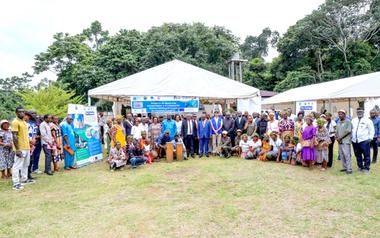
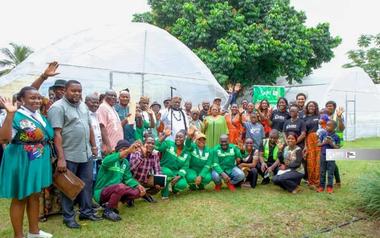
To address this gap, scientists and conservationists adopted an innovative, community-driven approach. Through the Siren Citizen Science Network, more than 80 local fishers were trained to record sightings and catches of marine megafauna using the Siren mobile phone application.

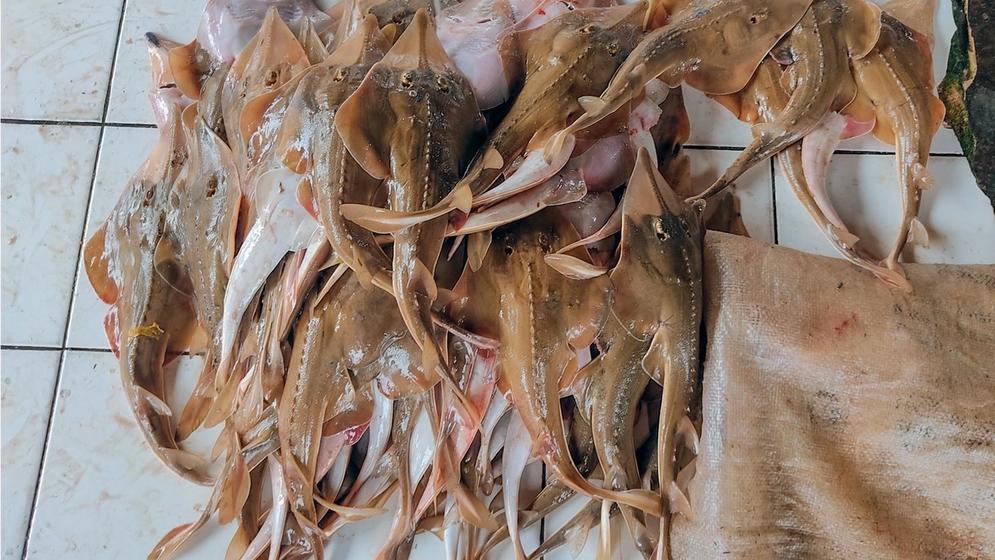
These fisher-led observations were complemented by detailed surveys conducted in fish markets across Cameroon’s coastal regions. Together, they produced one of the most comprehensive datasets ever assembled on sharks and rays in the country. Between 2015 and 2023, over 7,000 individual sharks and rays were recorded.
The findings are concerning. More than 80% of the documented species are classified as threatened on the IUCN Red List, including 13 species listed as Critically Endangered. Among the most frequently landed species are the scalloped hammerhead shark and the blackchin guitarfish, both already facing an extremely high risk of global extinction.
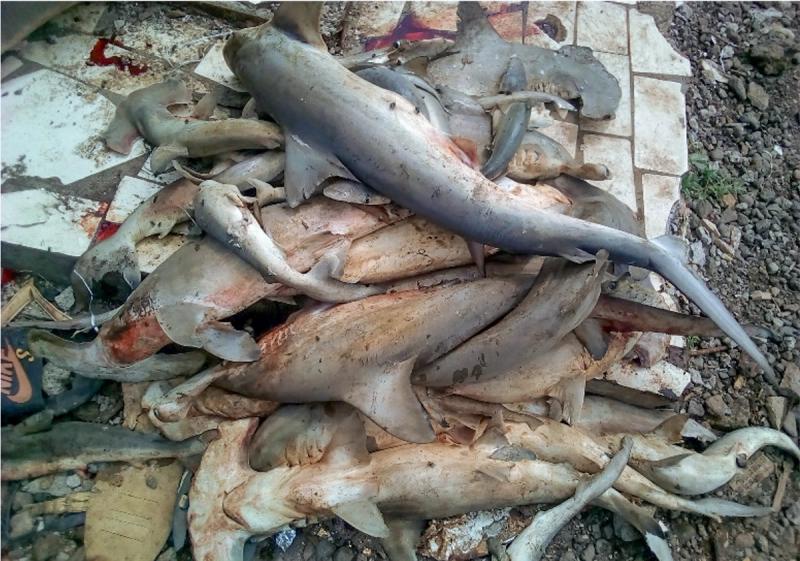
Beyond biodiversity, the study underscores a critical socio-economic reality. Nearly 4,000 fishers in Cameroon depend directly on marine resources for food security and income. While sharks and rays are not always the primary target species, individuals caught as bycatch are rarely discarded. Even lower-value species contribute to daily household earnings, and larger specimens can command significant market prices.
Globally, conservation initiatives often focus on industrial fishing fleets. However, this research highlights the significant impact of small-scale fisheries—particularly when endangered species and juveniles are involved. It also demonstrates that meaningful scientific data can be generated in data-poor regions by working with communities, rather than around them.
The study provides both a warning and an opportunity: urgent action is needed to protect vulnerable species, but collaborative, locally driven solutions are possible.